+387 33 716 040 cns.sarajevo@gmail.com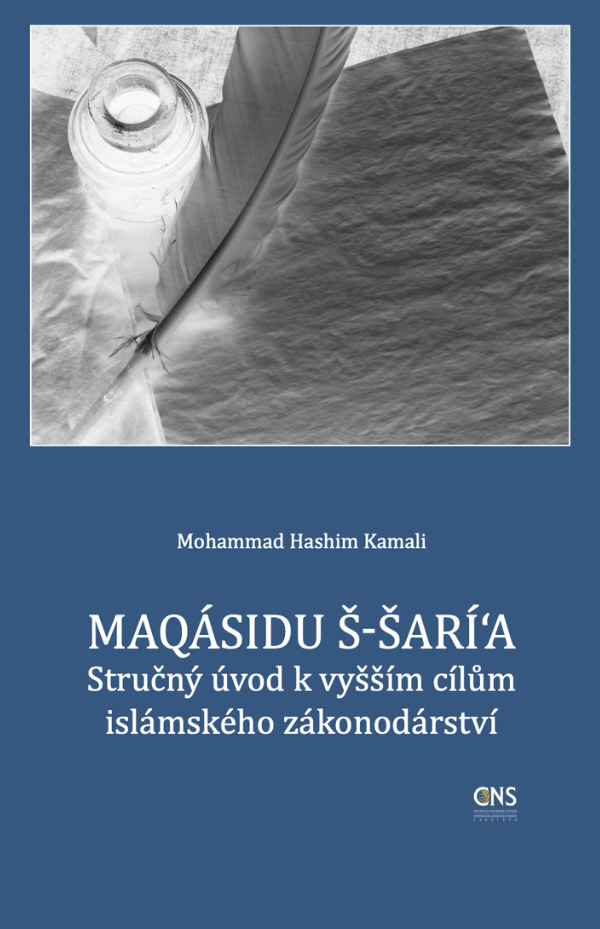
Maqasid al-Shari ah, or the higher goals and objectives of Islamic law, is an important and yet somewhat neglected theme of the Shari ah. Generally the Shari ah is predicated on the benefits of the individual and that of the community, and its laws are designed so as to protect these benefits and facilitate improvement and perfection of the conditions of human life on earth. This easy to read guide gives a bird s eye view of the subject, simplifying its main principles to help readers understand the subject of maqasid al-shari ah and how it explains the wisdoms behind rulings. The paper focuses on a general characterisation of maqasid al-shari ah and its origins in the Quran; the classification of maqasid; historical developments and the contributions of some of the leading ulama to the theory of maqasid; the differential approaches the ulama have taken toward the identification of maqasid; and finally the relevance of maqasid to ijtihad and the ways in which maqasid can enhance the scope and caliber of ijtihad.
Mohammad Hashim Kamali is currently Chairman and CEO of the International Institute of Advanced Islamic Studies in Kuala Lumpur. He was professor of law and a Faculty Dean at the International Islamic University of Malaysia from 1985 to 2007. He is currently a Shariah Advisor with the Securities Commission of Malaysia, Chairman of the CIMB Shariah Board, and Chairman of Shariah Board, Stanlib Corporation of South Africa. Professor Kamali has addressed over 120 national and international conferences, published 16 books and over 110 academic articles. He has authored a number of works including Freedom of Expression in Islam (Cambridge, 1997); Freedom, Equality and Justice in Islam (Cambridge, 2002); and A Textbook of Hadith Studies (Leicester, UK, 2005). He received the Ismail al-Faruqi Award for Academic Excellence twice, in 1995 and 1997, and is listed in a number of leading Who s Who in the World.